Signs of Hidden Water Damage in Your Magnolia, AR Home
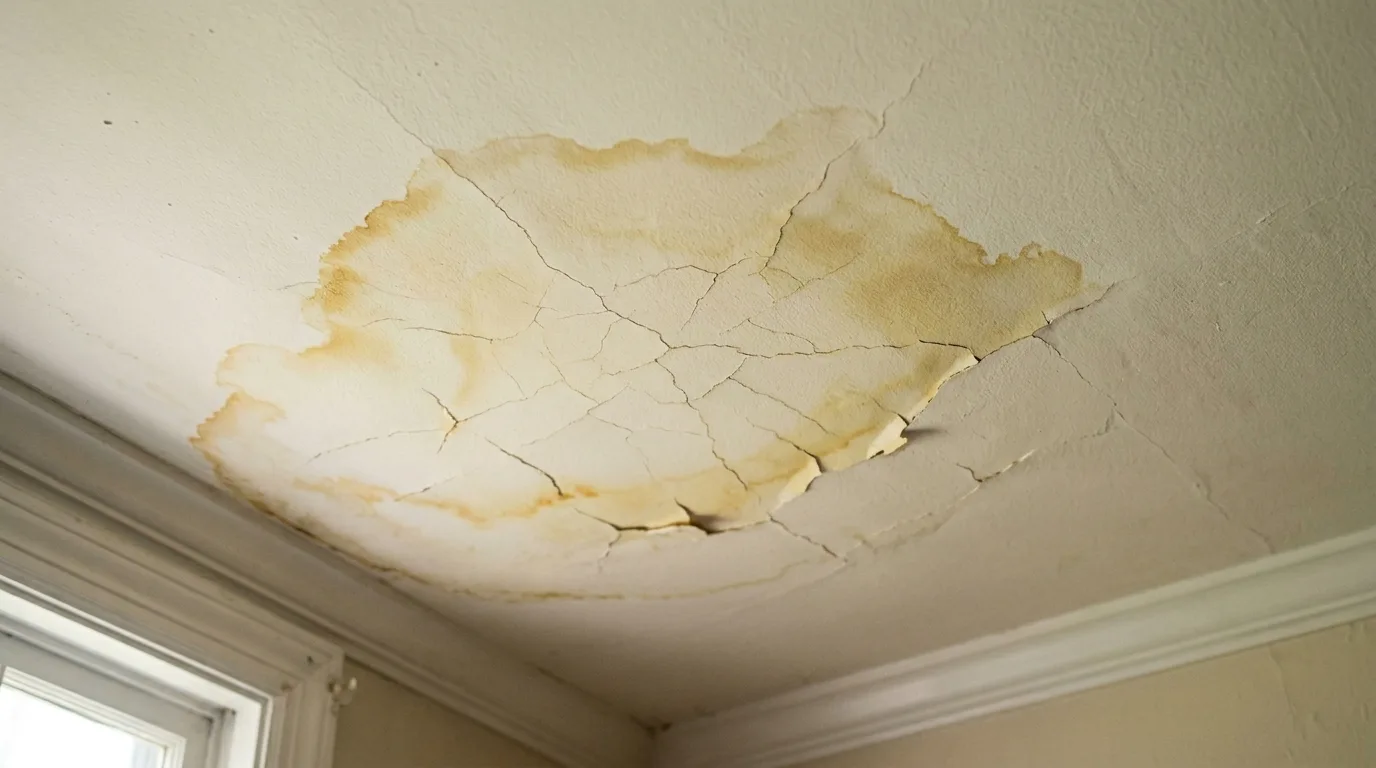
Many Magnolia homeowners discover water damage months or years after it began — when a soft floor, a stained ceiling, or a musty odor finally becomes impossible to ignore. Hidden water damage is especially common in Columbia County homes because of the moisture conditions that operate silently: crawlspace hydrostatic pressure from clay soils, slow roof leaks masked by adequate attic insulation, and wall cavity moisture from burst pipes that weren’t discovered immediately. This guide explains what to look for throughout your home.
Suspect Hidden Water Damage in Your Magnolia Home?
Call (877) 698-1311 for a professional moisture assessment using thermal imaging throughout Columbia County.
Why Hidden Water Damage Is Common in Magnolia Homes
Signs of hidden water damage in Magnolia homes often develop slowly rather than appearing suddenly after a dramatic flood event. Magnolia’s humid subtropical climate — averaging 54 inches of annual rainfall — creates continuous moisture pressure on building envelopes, particularly during the wet spring months when May alone averages 4.52 inches of precipitation. Water that penetrates through minor gaps in roofing, flashing, or foundation systems accumulates slowly in structural cavities, appearing as a visible symptom only after significant damage has occurred.
The clay-rich alluvial soils throughout Columbia County create a secondary hidden moisture pathway. When clay soil surrounding a foundation becomes saturated during spring rainfall — which happens routinely in neighborhoods throughout the Blake Barker and Columbia Rd areas — it exerts hydrostatic pressure that forces moisture through crawlspace walls and floors. Homeowners see the downstream effects: musty odors, soft floors, elevated indoor humidity — but not the water entry itself.
Older home construction in Magnolia’s historic districts, including properties near Southern Arkansas University, often has original vapor barriers, flashing, and plumbing that have degraded over decades without being replaced. These homes are more likely to have active slow leaks that haven’t yet produced visible symptoms inside the living space.
Types of Hidden Water Damage in Magnolia Homes
Crawlspace moisture accumulation: Slow-building moisture from clay-soil hydrostatic pressure that produces mold on floor joists, elevated indoor humidity, and eventually soft or springy flooring — all without a visible water entry event.
Wall cavity moisture from slow leaks: A pinhole leak in a supply pipe, or water tracking along a rafter from a small roof penetration, that deposits moisture in wall framing over months before drywall staining appears.
Attic moisture from improper ventilation: Humid outside air condensing on cool attic surfaces during winter, building up moisture in attic insulation and roof decking that eventually transfers to interior ceilings.
Post-repair residual moisture: After a water damage event that was addressed, structural materials that weren’t fully dried to IICRC targets retain moisture that produces mold growth in the weeks or months following apparent recovery.
Visual Signs to Check Throughout Your Home
Ceilings and upper walls:
- Yellowish or brownish stain rings on ceilings — typically circular and concentrated around a center point, indicating water dripping from above
- Paint bubbling, peeling, or blistering on ceilings or upper wall areas
- Sagging or soft ceiling texture in any area
Lower walls and baseboards:
- Discoloration or staining at the base of exterior walls, especially on north or west-facing walls
- Paint bubbling or peeling near floor level
- Drywall that sounds hollow when tapped but wasn’t always that way — air pockets from delaminated paper indicate moisture damage
Floors:
- Soft, spongy, or springy areas when walked over — particularly in bathrooms, kitchens, and utility rooms
- Gaps opening between hardwood floor planks or at the wall joint, suggesting subfloor moisture-driven expansion
- Vinyl or tile lifting at seams — adhesive failure from moisture below the flooring surface
- Wood floor planks cupping (edges higher than centers) or crowning (centers higher than edges)
Windows and doors:
- Wood window frames that swell seasonally, making windows difficult to open or close
- Staining or discoloration on window sills or jambs
- Condensation on interior glass surfaces in winter beyond what’s expected — may indicate excessive interior humidity from a moisture source
Professional Moisture Assessment in Magnolia
Our thermal imaging and moisture mapping identifies hidden water damage before it becomes structural damage. Call (877) 698-1311.
Odor and Environmental Signs
Musty or earthy odors: The most reliable early indicator of hidden water damage in Magnolia homes — a persistent musty smell that doesn’t resolve with cleaning or air fresheners indicates mold growth somewhere in the structure. Common sources are crawlspace joist mold (odor rises through floors) and wall cavity mold from slow leaks.
Elevated indoor humidity: If your home feels more humid than outdoor conditions justify — during periods when the HVAC should be maintaining a comfortable environment — a moisture source inside the building envelope is a likely cause. A simple humidity gauge (hygrometer) gives a reading; sustained indoor humidity above 60% in conditioned spaces warrants investigation.
Odor from HVAC vents: Musty smell specifically when the air handler runs suggests mold in the ductwork or air handler — a common consequence of past water events that reached HVAC components.
Structural and Utility Signs
Soft or discolored subflooring: Visible in a crawlspace, subfloor discoloration, softness when pressed, or delamination of plywood layers indicates moisture damage — often from ongoing clay-soil hydrostatic pressure rather than a discrete leak.
Mold on crawlspace joists: Easily visible during a crawlspace inspection — look for white, gray, or black fuzzy growth on the underside of floor joists, rim joists, and subfloor. Common throughout Columbia County homes with inadequate vapor barriers.
Rust staining around pipe connections: In utility areas, around supply line connections under sinks, and in the area of water heater connections — rust staining indicates a slow drip that has been occurring for some time.
Efflorescence on foundation walls: White chalky mineral deposits on concrete or masonry foundation walls indicate water has been moving through the wall — a sign of chronic moisture intrusion from surrounding saturated clay soil.
When to Call for a Professional Moisture Assessment
Call for a professional assessment when: you notice any of the signs above, you’ve recently purchased a home in the Magnolia area and want to establish a baseline, you had a water damage event that was addressed but you’re uncertain about the completeness of drying, or you’re noticing musty odors or elevated humidity without an obvious source.
We perform moisture assessments using thermal imaging cameras (which detect temperature differentials caused by evaporating moisture behind walls and under floors), penetrating and non-penetrating moisture meters, and crawlspace inspections. The assessment identifies active moisture problems and distinguishes between historic staining (already dried) and active moisture conditions.
Frequently Asked Questions
How do I check for crawlspace water damage in my Magnolia home?
A visual crawlspace inspection looks for: standing water, soil that appears saturated or damp, mold on floor joists or subfloor (white, gray, or black growth on wood surfaces), damaged or missing vapor barriers, and rust on metal components. If your home has inadequate crawlspace access, our team can perform the inspection with proper equipment. Given Columbia County’s clay soil conditions, crawlspace moisture assessment is particularly important for Magnolia-area homes.
Can water damage be present even if I don’t see any stains?
Absolutely — thermal imaging routinely reveals active moisture in wall cavities and subfloor assemblies that have no visible surface staining. Water that travels along framing before pooling may leave no stain at the entry point. Musty odors without visible mold are a common indicator of active hidden moisture in Magnolia homes. For mold that’s already developed as a result, see our guide on mold remediation after water damage in Magnolia.
How much does a moisture assessment cost in Magnolia?
We provide free moisture assessments as part of our initial consultation for any suspected water damage event. Standalone moisture assessments for property purchase due diligence or routine inspection are available at a nominal cost. Call (877) 698-1311 to schedule — we serve all of Magnolia and Columbia County including Waldo, Stamps, Lewisville, and McNeil.
Find Hidden Water Damage Before It Becomes Structural Damage
Magnolia Water Damage Restoration provides thermal imaging moisture assessments throughout Columbia County. Call (877) 698-1311 to schedule.
Related: